Complete Guide to Equipment, Layout and Budget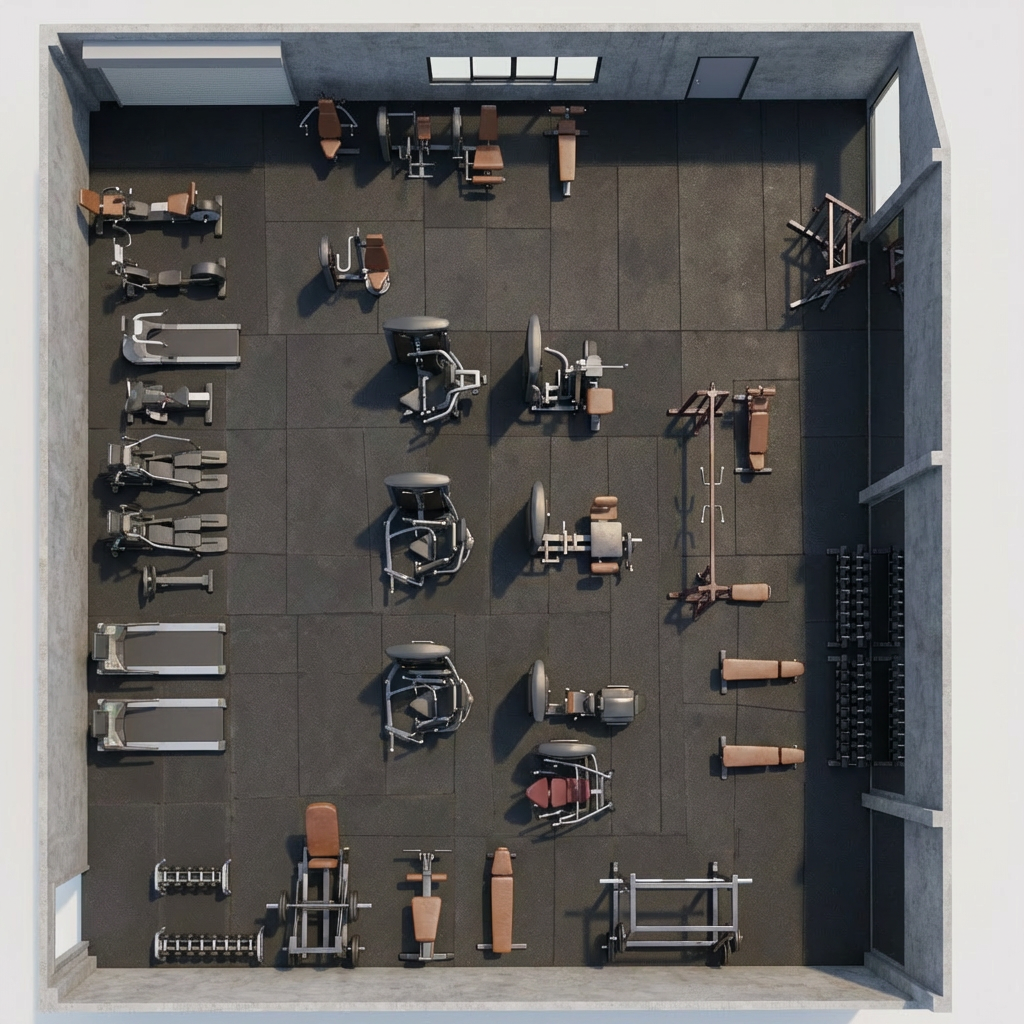
Starting a gym business can be a highly profitable investment as the global fitness industry continues to grow rapidly.
However, opening a successful gym requires careful planning, the right commercial gym equipment,
and a well-designed gym layout.
In this guide, we will walk you through the key steps to start a gym business,
including budgeting, equipment selection, and choosing the right gym equipment supplier.
Before investing in equipment or renting a space, the first step is defining the type of gym you want to open.
Common types of gyms include: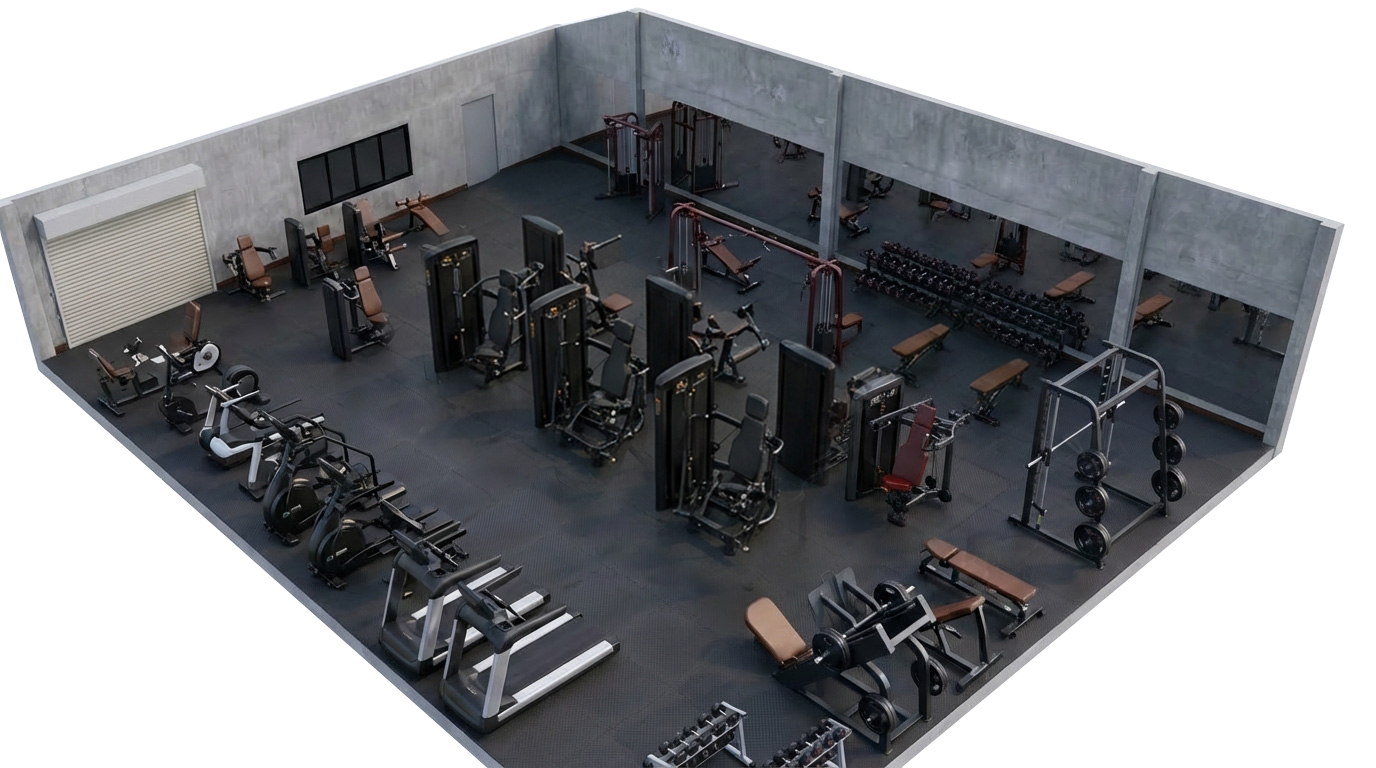
 Commercial gym
Boutique fitness studios
Hotel gyms
Corporate fitness centers
Rehabilitation fitness centers
Each gym concept requires a different mix of commercial gym equipment and training zones.
For example:
A boutique studio may focus more on functional training equipment,while a large commercial gym will require a full equipment package including cardio machines, strength machines, and free weights.
The cost of opening a gym can vary widely depending on the size of the facility and the quality of equipment.
Typical gym startup costs include: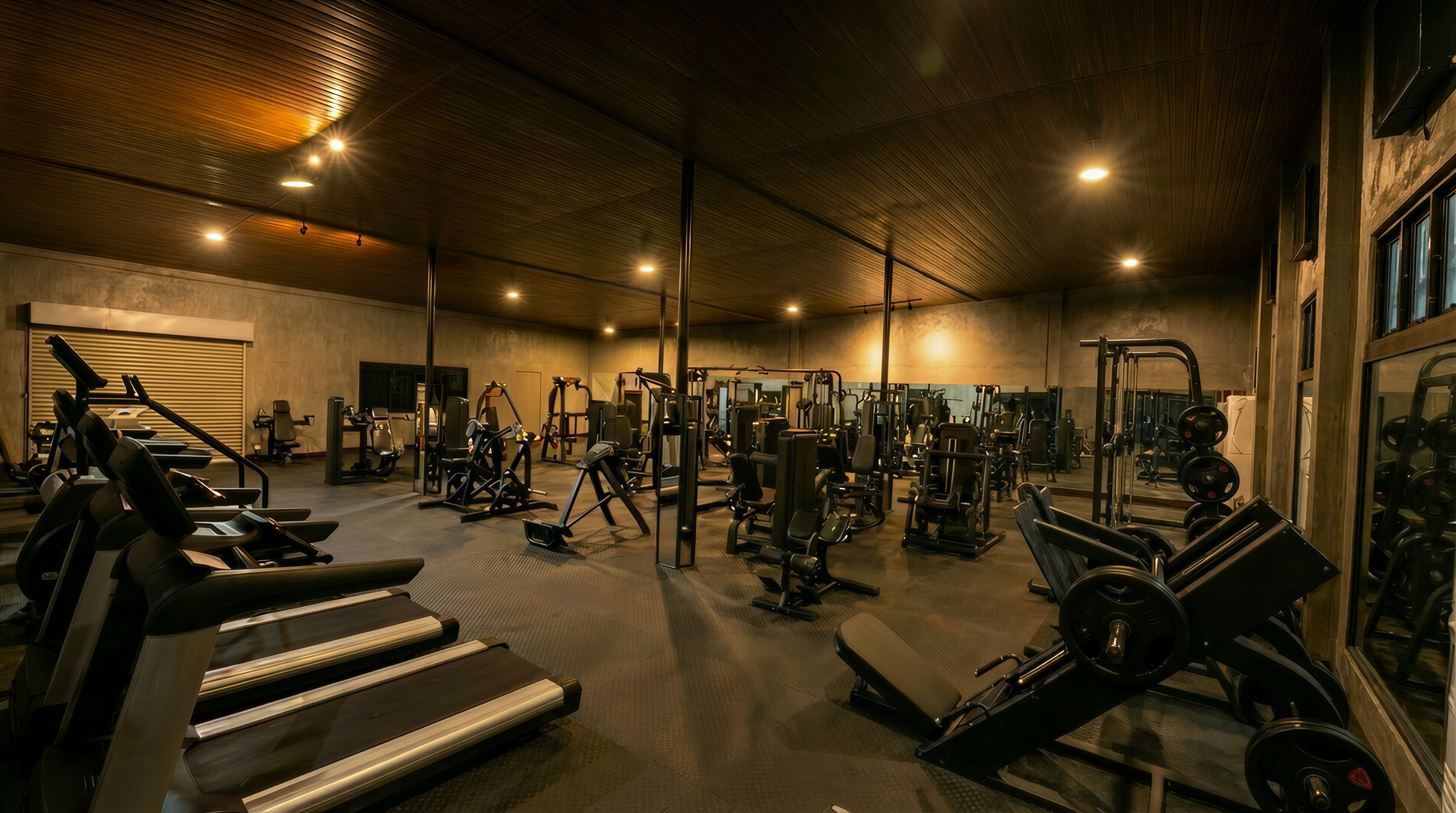
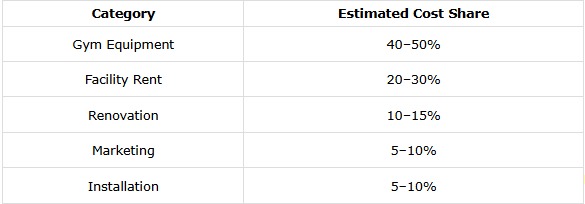
For many gym investors, commercial gym equipment is the largest investment, so choosing reliable and durable equipment is essential.
A standard commercial gym typically includes several training zones.
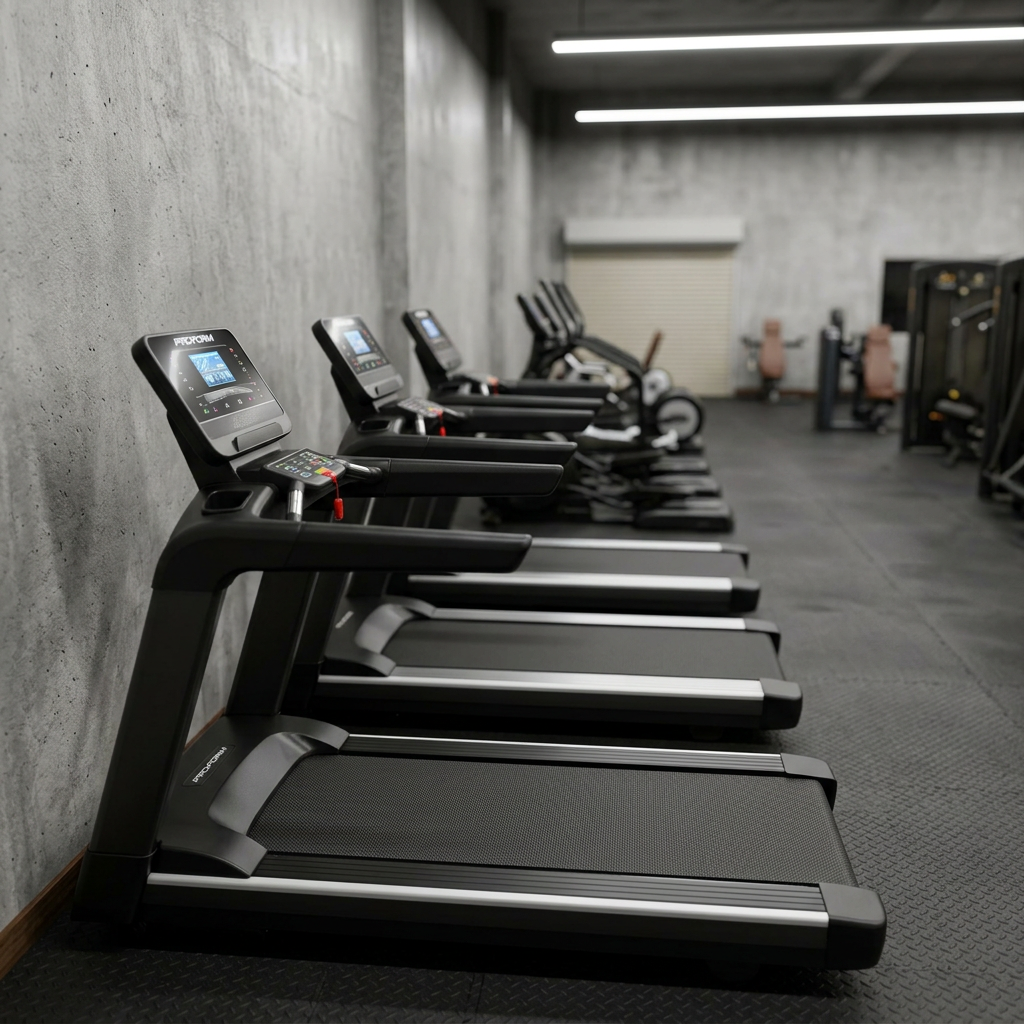
Common equipment includes:
 Treadmills
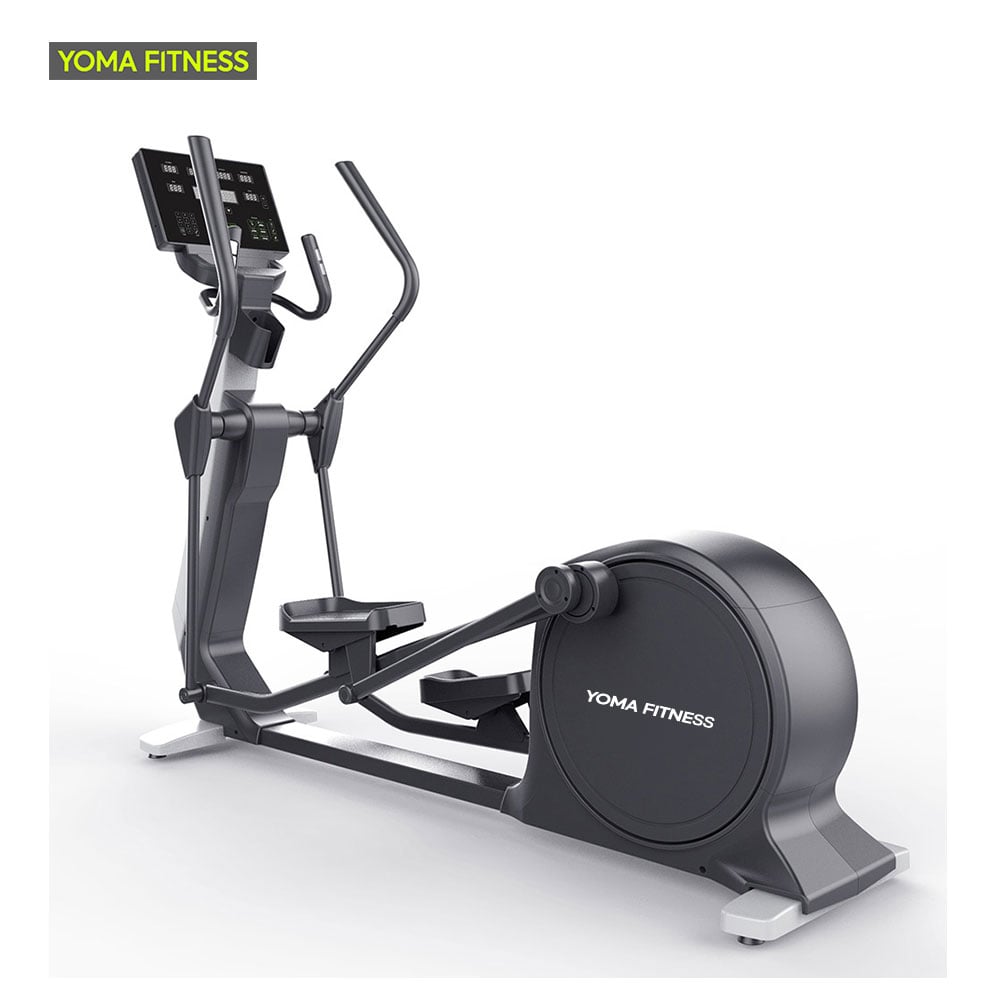
 Ellipticals
 Exercise bikes
 Stair climbers
Cardio machines are usually placed near the entrance or window area to attract members.
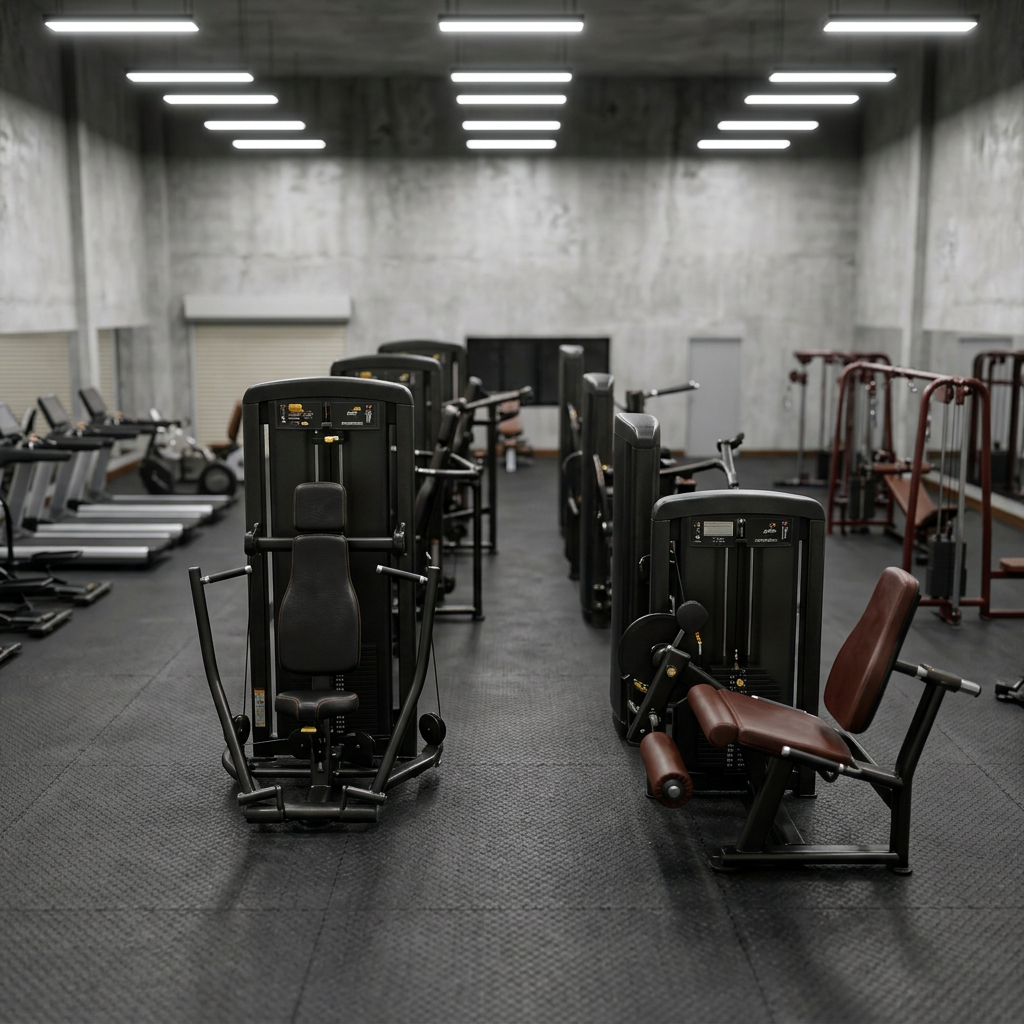
Typical equipment includes:
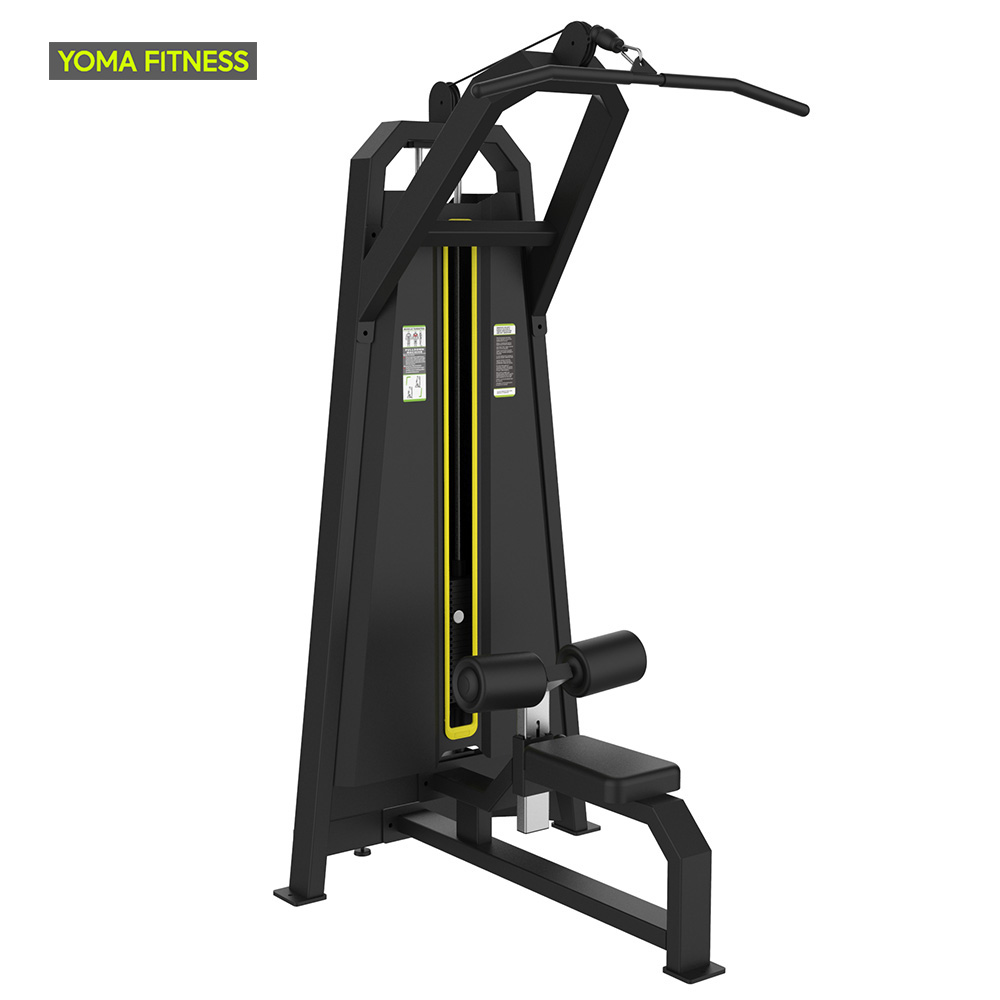
Multi-station machines
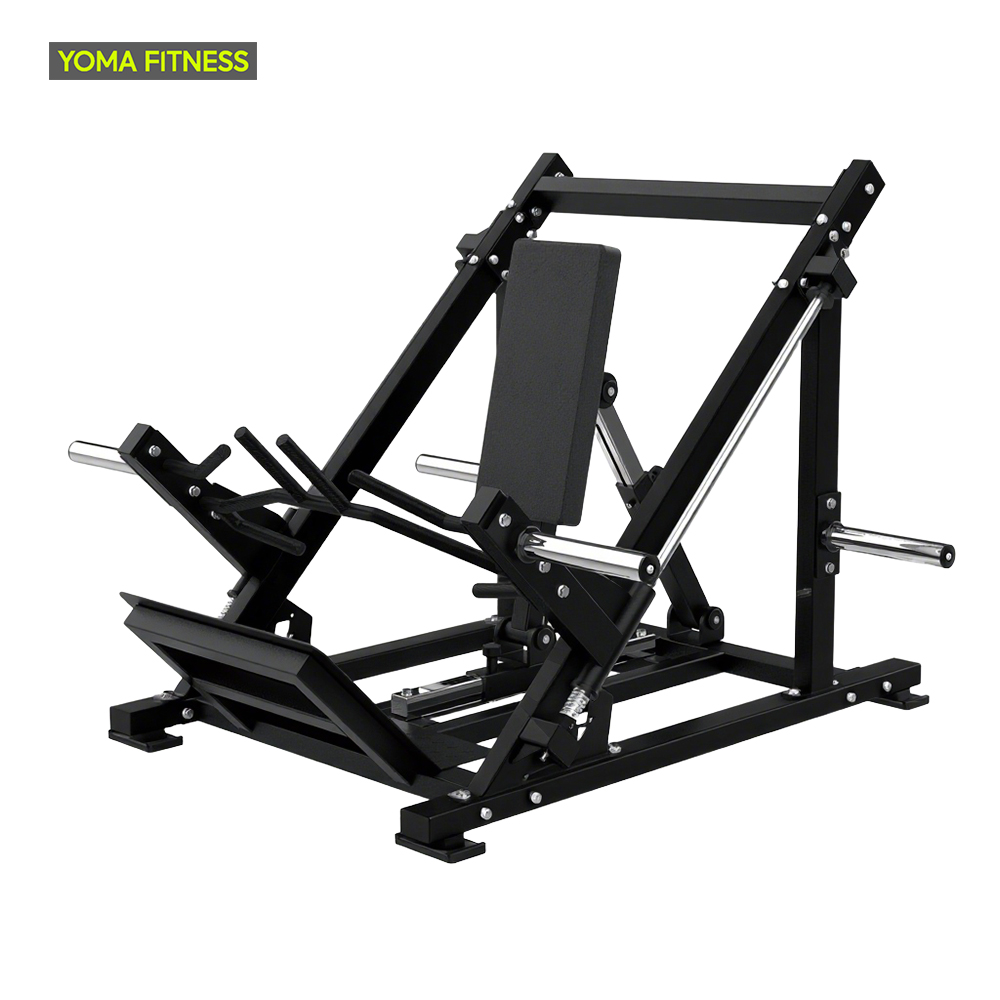
Plate loaded machines
Smith machine
Functional trainers
These machines support safe and effective strength training for beginners and experienced users.
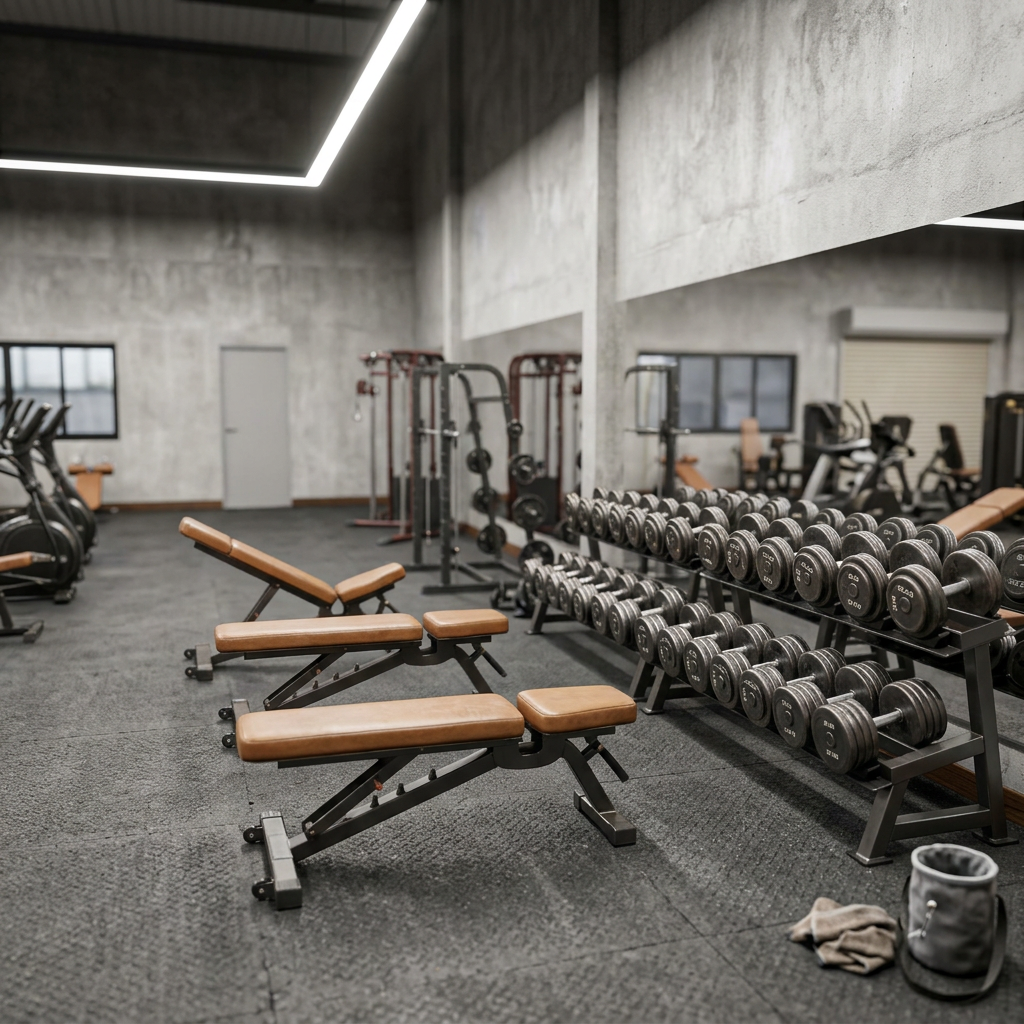
Typical equipment includes:
Dumbbells
Barbells
Adjustable benches
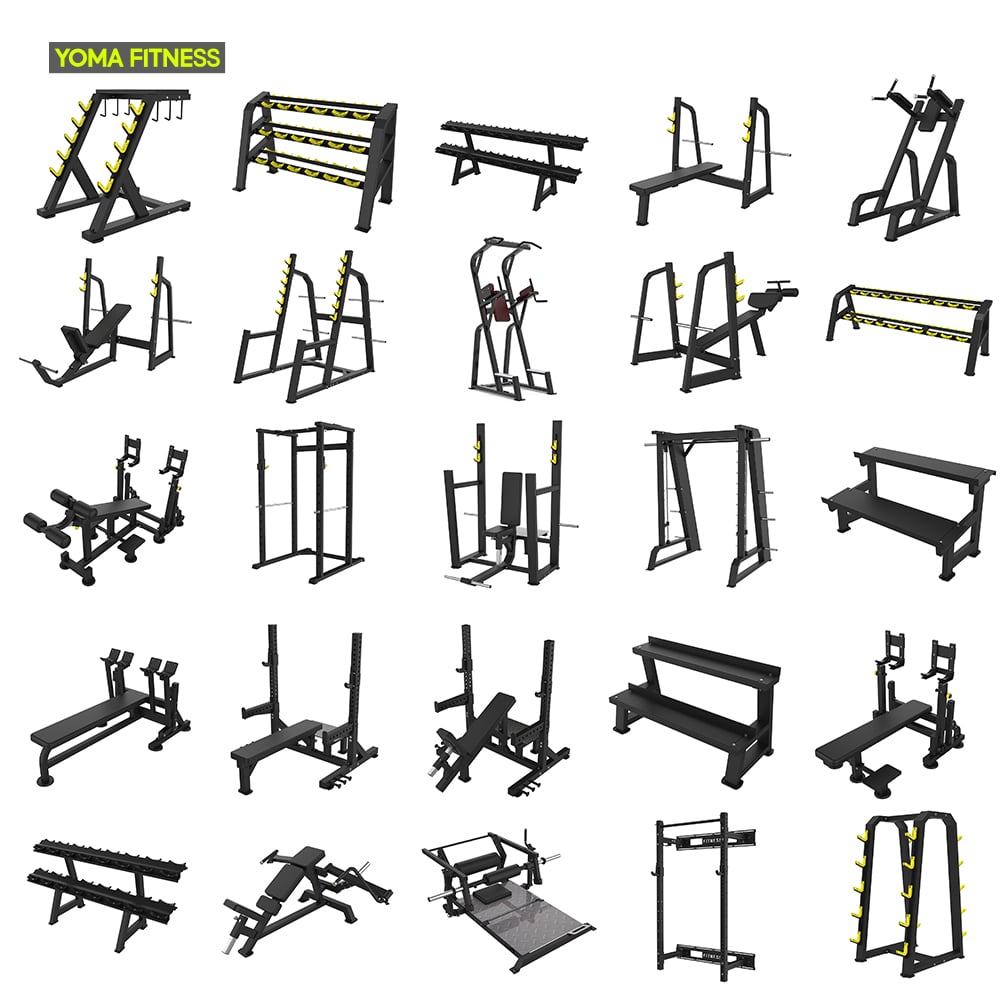
Squat racks
This area is often one of the most active zones in a gym.
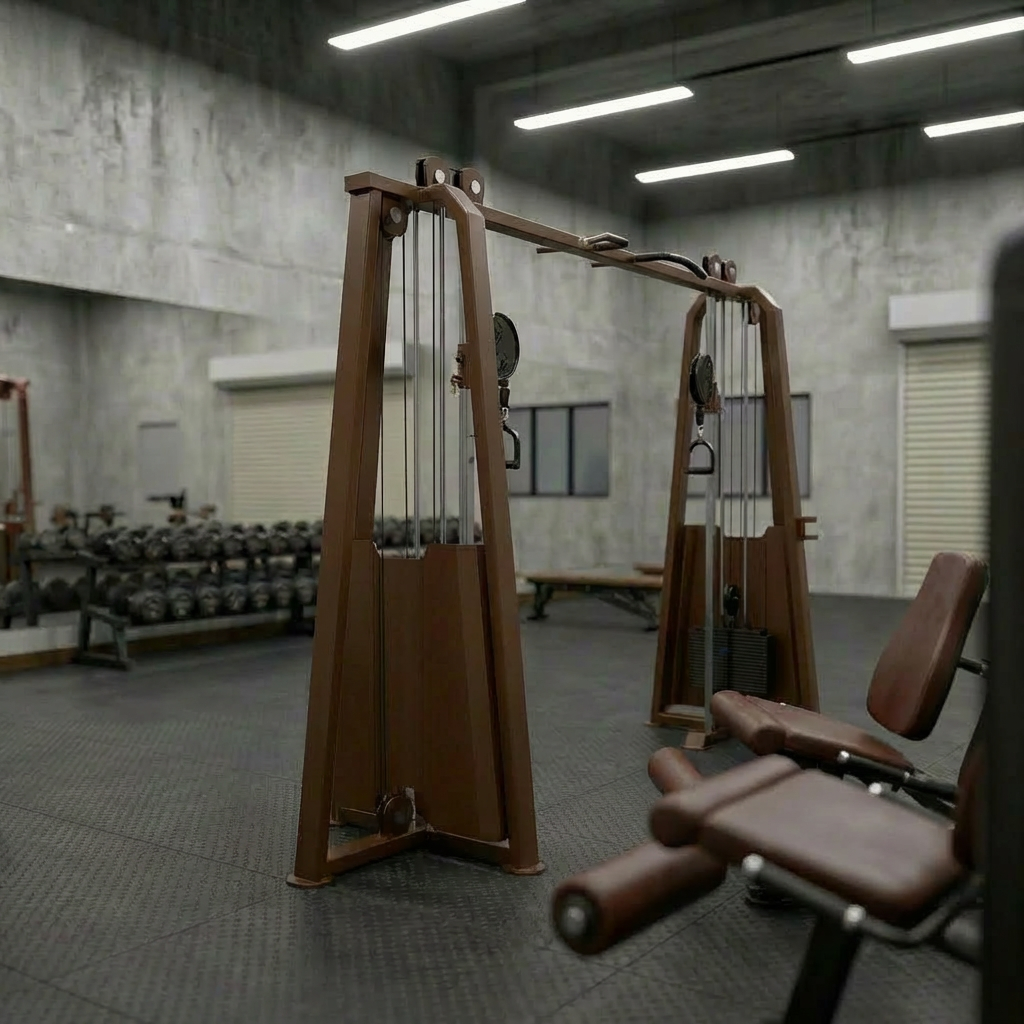
Modern gyms often include a functional training space with equipment such as:
 Power racks
 Kettlebells
 Resistance bands
 Functional rigs
This area supports personal training, group classes, and high-intensity workouts.
A professional gym layout design can improve training experience and maximize space efficiency.
A typical gym floor plan may include:
Cardio training zone Strength machine area Free weight area Functional training space Other zone
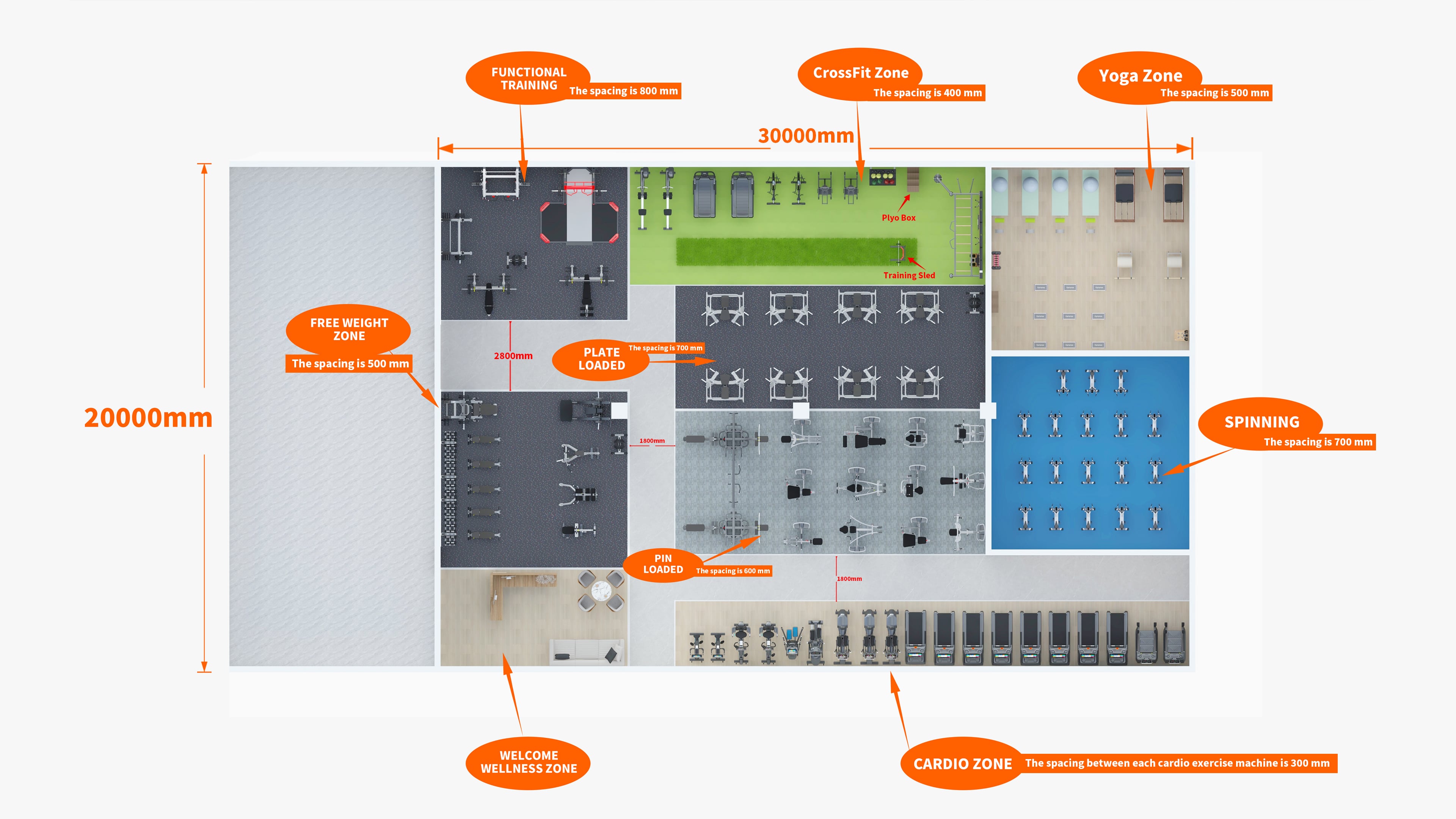
Proper spacing between equipment ensures safety and improves member flow.
Working with an experienced gym design team can help create a layout that balances equipment density and user comfort.
Selecting the right commercial gym equipment supplier is critical for long-term success.
A reliable supplier should provide:
 Commercial-grade equipment
 Layout design support
 Equipment packages for different gym sizes
 Installation guidance
 After-sales service
Many gym investors prefer working with suppliers who can provide one-stop gym solutions.
For new gym investors, a turnkey gym solution can simplify the entire process.
A turnkey solution may include:
 Gym layout design
 Complete equipment package
 Shipping and logistics
 Installation support
 Project management
This approach allows investors to transform an empty space into a fully operational gym more efficiently.
Starting a gym business requires careful planning, the right equipment mix, and a well-designed training space.
By selecting high-quality commercial gym equipment and working with an experienced supplier, gym owners can build a facility that attracts members and delivers long-term success.
 Hot News
2026-03-06
 EN
EN